
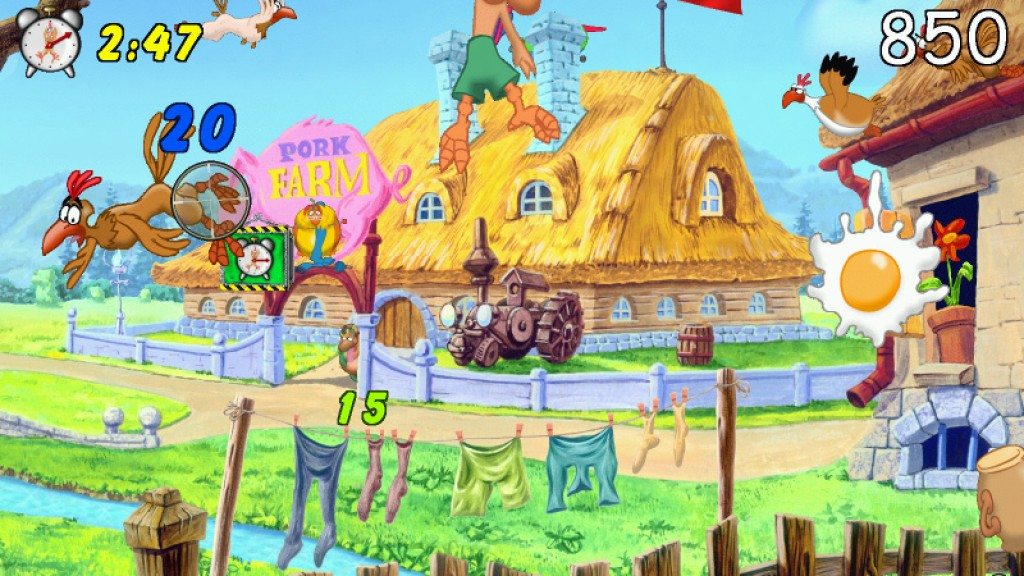
Chicken Shoot Game has established a firm niche for UK gamers who enjoy arcade action. The idea is simple: shoot targets, grab rewards. It’s an addictive loop. But many players, newcomers in particular, walk right into the common pitfalls. These errors can deplete your virtual bullet belt in no time and place a hard ceiling on your scores. Identifying and avoiding these traps is what turns a disappointing session into a good one, where you actually get somewhere.
Overlooking the Paytable and Game Rules
Starting without reading the manual is a rookie move. Every game like Chicken Shoot uses a fixed set of rules, with a paytable that shows what each target is paying. Your primary duty as a UK player is to find this info and actually look at it. It reveals which chickens pay the most, what the wild or bonus symbols really do, and explains any special modes. This is your basic training. Miss it, and you’re playing without a plan, missing any chance for a clear approach.
Why the Paytable is Your Top Resource
View the paytable as the game’s instruction sheet. It gives you the exact conditions for triggering bonus rounds, usually by gathering certain items or hitting scatter symbols. You might learn, for example, that getting three golden eggs in one round is what activates the free shoots feature. With that insight, you can change your focus during play. You stop firing at everything and focus for the targets that lead to these big events. Every shot gets a purpose, directing you toward the game’s largest payouts.
Rule Changes on Different Platforms
Savvy UK players should also watch for small discrepancies between platforms or casinos. The foundation of Chicken Shoot stays the same, but the details—like how many scatters you must have for a bonus or the size of a multiplier—might differ. Spending thirty seconds to examine the rules on your chosen casino ensures your tactics are appropriate. This bit of homework is what separates a casual clicker from a strategic player. It prevents you from making a wrong decision when it is most important.
Missing Bonus Features and Key Symbols
Neglecting the game’s special features is like owning a power drill and using it as a paperweight. Chicken Shoot isn’t only about hitting ordinary chickens. It’s loaded with special symbols like wilds, multipliers, and bonus triggers. A huge mistake is seeing these as just another target without understanding what they can do. A wild symbol might act for others to form a high-value combo. A multiplier could increase or even amplify the win from a single shot.
The Strength of Targeted Bonuses
The bonus round is the place where the jackpots are found. This is typically a free shoots feature or a pick-and-win game. Players who don’t learn how to unlock it—often by collecting specific items or landing scatter symbols—are missing the whole point. During these features, ammo is generally unlimited or is refilled, letting you fire without worry. Determining which targets to aim for to trigger these rounds should be the essence of any good strategy. It’s the difference between a decent session and a fantastic one.
Playing Missing a Defined Strategy or Target
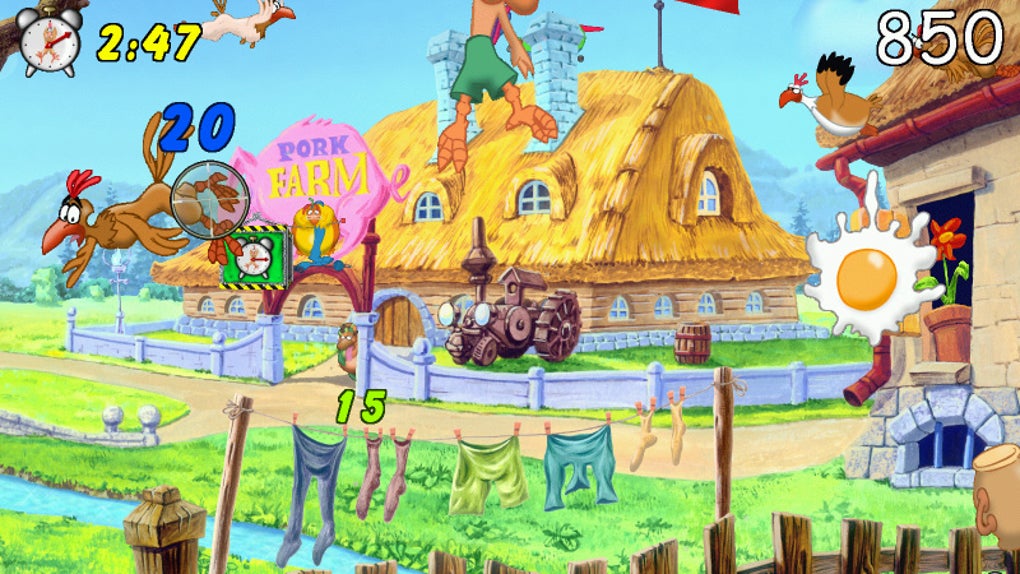
Launching the game with a completely reactive attitude is a fast track to average results. Chicken Shoot is fun, no doubt. But using even a basic strategy is what separates the top players from the crowd. What’s your objective? Are you just killing ten minutes, or are you aiming to unlock a specific bonus round? Your aim shapes your tactics. Without one, you’ll make shaky decisions on bet size, which chickens to shoot, and when to stop. All of that erodes at your potential success.
A simple plan might be to start with a reduced bet to get a sense for the game before committing more. Or you could decide to only shoot chickens that are part of a possible combo chain. Creating a win goal alongside your loss limit is a pro move too. Deciding to cash out after you’re 50% up, for instance, guarantees those winnings. These little structures give you a sense of control and direction. Your gameplay becomes more intentional, and that usually means more rewarding.
Pursuing Losses with Higher Bets
This is a hazardous habit you observe in all sorts of games, and it’s a real threat in the UK’s busy gaming scene. After a run of bad luck or small returns, a player might bump up their bet size on a whim, hoping the next win will erase all the previous losses. For a game like Chicken Shoot, which runs on a Random Number Generator (RNG), this logic doesn’t stand. The game doesn’t recall what happened last round. Placing a bigger bet doesn’t cause a win more likely.
This can spiral fast, changing a fun bit of play into something tense and unpleasant. The smarter, more responsible approach is to set a clear loss limit before you even open the game. Decide on a bet size that matches your session budget and keep it steady. Wins and losses will vary, but chasing losses just adds more risk. Good bankroll management lets you playing longer and maintains the whole experience enjoyable.
Bad Resource and Ammo Handling
Nothing feels worse than clicking the trigger and getting a empty click at the right moment. In Chicken Shoot, your ammo is everything. Mess it up, and you will encounter the game over screen way too often. The typical mistake is the „spray and pray” method, blasting away at every single target that appears. This wastes shots on low-value chickens and leaves you with nothing when a high-value flock or a bonus symbol eventually drifts into view.
You need to conserve ammo with a bit of strategy. That requires controlling your shots and demonstrating a little discipline. Allow the low-value targets slide if they’re not part of a bigger combo or if your bullet count is running low. The objective is to hold enough in the chamber so you can capitalize on the golden chances. Think of it as managing your weekly budget. You would not blow it all on cheap snacks if you knew a proper meal was coming up.
Confusion about Volatility and Payout Frequency
Arcade-style games like this one vary, and „volatility” is a critical notion to grasp. A common error is expecting a constant flow of small wins from a high variance game like Chicken Shoot often is. High volatility means winnings can be less regular, but they tend to be significantly bigger when they hit. Players who miss this often become frustrated during a dry patch. They believe the game is „off” or „cold,” and occasionally they quit right before a major bonus feature was about to kick in.
You have to grasp the game’s rhythm. UK players should enter Chicken Shoot with the mentality of a hunter expecting one major win. Patience isn’t just beneficial here, it’s required. The excitement comes from the build-up in the base game, resulting in those explosive bonus rounds where the real rewards reside. If you modify your expectations to suit the game’s high risk style, you avoid frustration. The pause makes the final feature hit appear even more satisfying.
Neglecting Practice in Trial Mode
Numerous UK online sites offer a „demo” or „free play” version of Chicken Shoot. Skipping this to go straight for real money is a missed chance. The demo mode is a safe training camp. You can understand the game’s speed, identify target patterns, and see how the features activate without spending a single penny. It’s the best place to try out different approaches, understand how the bonus rounds work, and get the hang of the controls.
You get to make all your beginner mistakes here, where they cost nothing. Try with ammo conservation. See what happens when you zero in on certain symbols. By the time you switch to real play, you’ll be a skilled shot with a plan you’ve already tested. You won’t be a novice floundering with the basics while your balance ticks down. It’s the smart way to begin your Chicken Shoot run.

Getting good at Chicken Shoot isn’t just about fast fingers. It’s about avoiding of these common strategic errors. Learn the rules. Manage your ammo like it’s gold. Comprehend what volatility means. Use the bonus features. Mix that knowledge with disciplined spending and some demo mode practice, and you alter the experience. It shifts from pure luck to something with skill and real thrill. The best players are the ones who shoot with precision, and with a plan.
